
The Appeal of Narrowboat Life on Canal Networks
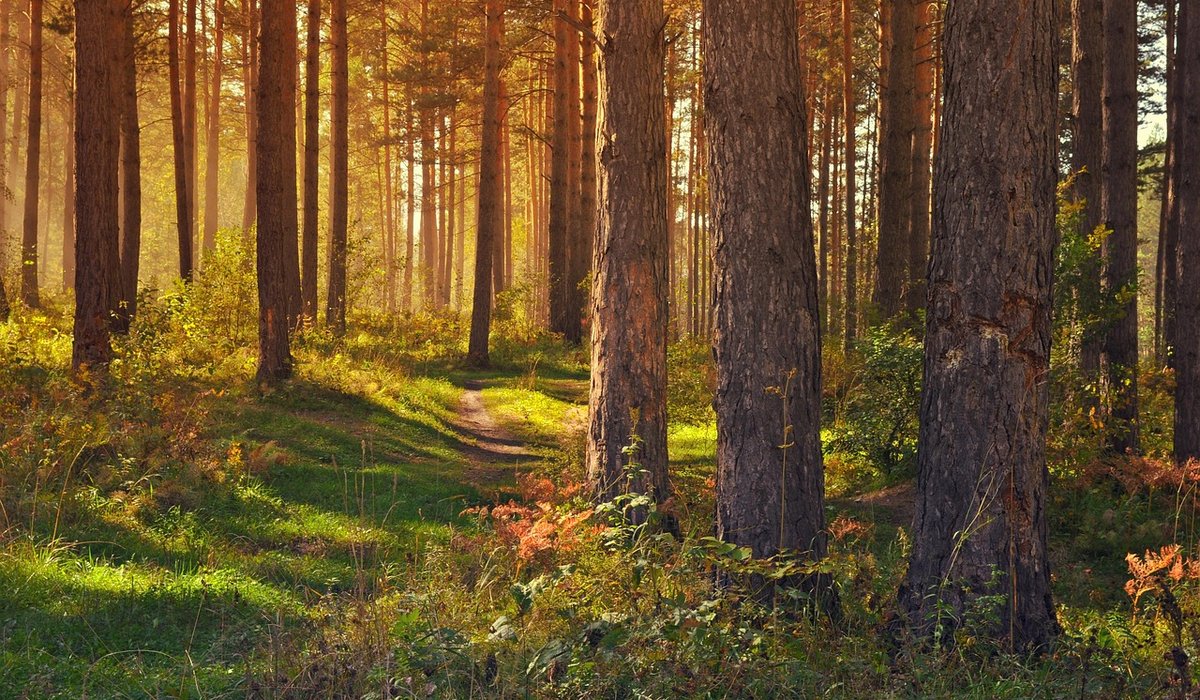
A quiet discovery beside the bridleway
You are walking a well-trodden footpath in the Yorkshire Dales or the Welsh borders. The rain has set in. Ahead, a low stone building sits tight against a hedge, its slate roof sagging slightly. You assume it is a barn. But then you notice a small cross above the door, a narrow window, and a bench outside. This is a wayside chapel – one of hundreds of tiny, ancient places of worship that dot the British countryside, often unlocked during daylight hours and free for walkers to enter. They offer more than shelter. They are a direct link to centuries of local devotion, and a quiet antidote to the noise of modern life.
What makes a wayside chapel?
These chapels come in many forms. Some were built for travellers on pilgrimage routes, others served hermits, and a few were private chantries where a wealthy family prayed for their dead. Most date from the 12th to the 15th centuries, though many were restored or rebuilt in Victorian times. You can recognise them by their simplicity: a single room, thick stone walls, a small altar, and perhaps a piscina – a shallow stone basin used for washing communion vessels. They are usually dedicated to a saint, often Mary or Michael, and they sit beside public rights of way, on old packhorse routes, or near a crossing point on a river. The key point is that they remain open. A latch, not a lock, is the norm. A notice inside will tell you the opening times, which are typically dawn to dusk.
Etiquette for a respectful visit
Because these chapels are often cared for by volunteers and local parishes, a little courtesy goes a long way. Follow these simple rules:
- Close the door behind you to keep out sheep, cattle and the weather.
- Leave no trace – take litter home, and do not light candles unless a safe holder is provided.
- Sign the visitors' book if one is present. It is not just a guest register; it helps wardens demonstrate that the chapel is used and worth maintaining.
- Keep noise low if others are inside. These are still places of prayer.
- Donate what you can to the honesty box. A couple of pounds helps with repairs, candles and insurance.
If you find the door locked, do not force it. Some chapels are only open on certain days or during specific seasons. Note the details and try again another time.
Reading the stones: what to look for inside
Once inside, take a moment to let your eyes adjust. The architecture is rarely grand, but it is full of clues. Look for a leper's squint – a small angled window that allowed someone outside to see the altar without entering. Check the walls for scratch dials, simple sundials carved by medieval masons, and medieval graffiti, often crosses or initials. An aumbry – a small recess – once held holy oils or vessels. The floor may be uneven, worn by generations of feet. Many chapels have a single bench or a few chairs. Sit down. Listen to the wind outside and the silence within. That silence is part of the experience. It is also worth noting that not everything is ancient. Victorian restorers added stained glass, tiles and pews. The trick is to enjoy the mix without pretending it is all original.
Three hidden gems to seek out
You do not need to travel far to find a chapel that feels like a secret. Here are three that are regularly open during daylight hours and sit beside public footpaths or bridleways.
St Govan's Chapel, Pembrokeshire. Tucked into a limestone cliff near Bosherston, this tiny cell is reached by a steep flight of steps. It is said to have been built in the 13th century, though a hermit named Govan may have lived here earlier. The door is usually unlocked. Inside, you will find a stone altar and a sense of immense age. The walk from the car park is short but spectacular.
St Cwyfan's Church, Anglesey. Known as the Church in the Sea, this 12th-century building sits on a tiny tidal island. At low tide you can walk across a causeway of rocks. It is technically a church rather than a chapel, but its isolated setting and simple stone walls make it a perfect example of the genre. Check tide times before setting out.
St Aldhelm's Chapel, Dorset. Perched on a headland near Worth Matravers, this Norman chapel is square, sturdy and open daily. It has a central pillar and a reputation for being one of the oldest complete chapels in England. The walk along the coast path is bracing, and the chapel offers a wonderful place to escape the wind.
Planning your own chapel hunt
To find these places yourself, you need a good large-scale map. Study the area for names like "Chapel", "St Mary's" or "Oratory" in Gothic script. Local parish websites and village noticeboards often list opening times. The best approach is to combine a chapel visit with a longer walk. Spring and autumn are ideal – fewer crowds. Carry a small torch, as some chapels have no electric light. Always stick to public rights of way, and if a chapel sits on private land, look for a permissive path sign. Ask in the local pub; landlords often know which chapels are open and which are not.
The reward is simple: a dry bench, a cool stone wall, and a few minutes of quiet. You step back out onto the footpath, and the rest of the walk feels different.
LEAVE A COMMENT