
Uncovering Hidden Food Markets in Small Cities
The Green Gap You Walk Past Every Day
Every town has one: a wall you have never looked over, a gate that is always ajar, a strip of grass behind a bus shelter. Churchyards, old burial grounds, garden squares and pocket parks make up a surprising amount of Britain's urban green space, and most of it is free to enter, open from early morning until dusk, and almost entirely empty on a Tuesday morning.
They are not parks in the usual sense. There is rarely a café, a play area or a marked route. What they offer is simpler: a bench, shade, birdsong and the odd bit of history underfoot. For anyone who needs half an hour of quiet without spending a penny, they are the best-kept local secret going.
Churchyards: Older Than the Parish, Quieter Than the Park
A parish churchyard is often the oldest enclosed ground in the neighbourhood. Because it was never ploughed, built on or sprayed, it can hold wildflowers that have vanished from the surrounding fields: cowslips, ox-eye daisies, meadow saxifrage, sometimes orchids on lime-rich soil. Look at how the grass is cut. Many churchyards now leave a margin long through spring and summer, mown only in late summer, which is exactly where the interest lies.
Yews, limes and sycamores here are frequently older than the building itself. A mature yew can support bats, and its dense canopy keeps the ground beneath cool on the hottest day of the year. Lichen on headstones is a rough air-quality gauge: bushy, shrubby growth suggests cleaner air, while a crusty grey-green film points to traffic fumes.
A few practical points of etiquette. Keep to paths where you can, and never walk across a grave if there is a route around it. Speak quietly if a funeral is taking place. Dogs are usually welcome in the general grounds but not in consecrated areas, so check the notice at the gate. And do not eat yew berries, or let children pick them.
How to Settle In for Half an Hour
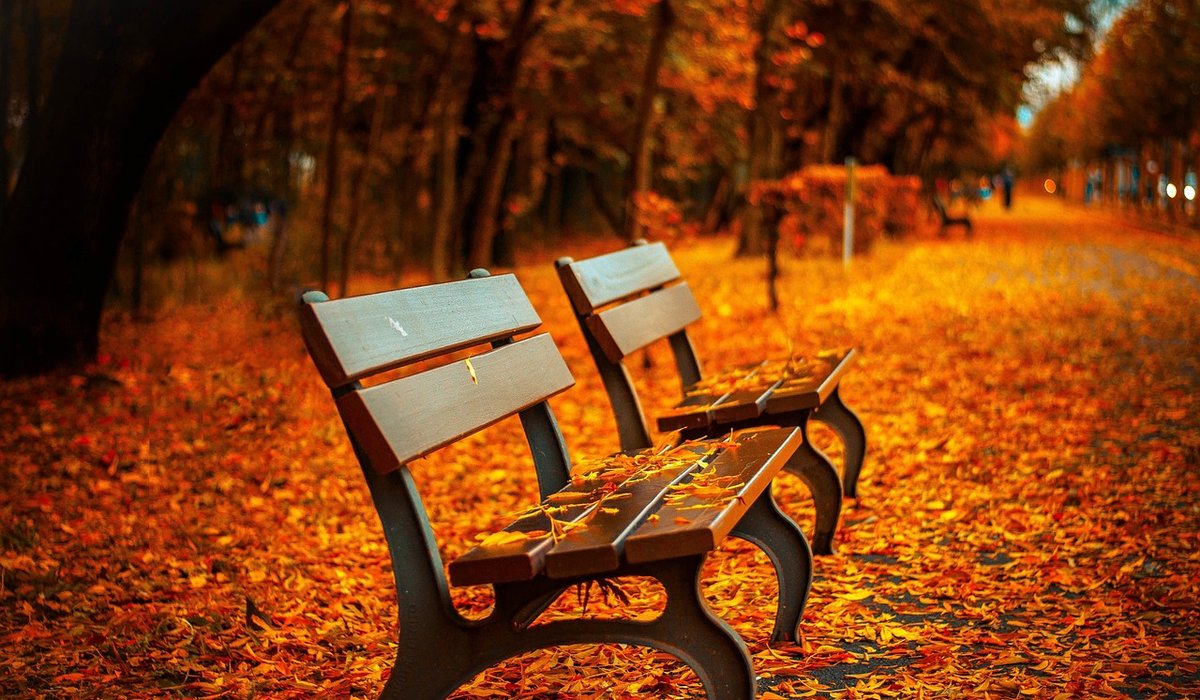
Choose your side of the building with the sun in mind. The south side catches warmth from mid-morning onwards; the north side stays damp and cool, which makes it a good option in a heatwave. Memorial benches usually face the church or a view, and they are rarely occupied.
The trick is to stay put longer than feels natural. Sit for five minutes and the space will seem dull. Sit for fifteen and the birds come back — wrens in the hedge, a robin on a leaning stone, maybe a sparrowhawk overhead.
- A flask and a folded waterproof cushion, since stone benches hold the cold.
- A notebook for dates, birdsong or inscriptions you want to look up later.
- A small bag for any litter you find, which is a decent way to earn your welcome.
- Binoculars, if you fancy turning a quiet bench into a proper birdwatching patch.
Squares, Closes and Pocket Parks
Garden squares are the city equivalent. Some are locked, with keys held by surrounding residents, but many open to the public at set hours or on specified days. Read the notice on the railings rather than assuming. The same applies to hospital gardens, canal-side sitting areas and the landscaped grounds of crematoria, which are among the most underrated quiet spaces in Britain: well maintained, generously benched, often with toilets and a water tap, and open long hours.
Look for the small signs of care that mark a place worth returning to: a mown path, a working tap, a litter bin that is actually emptied, a noticeboard with a volunteer rota. These tell you someone is keeping an eye on the place.
Quiet Pastimes That Fit the Space
Because these places are small and repetitive, they suit slow hobbies rather than grand expeditions.
- Inscription recording. Photograph and transcribe weathered stones, and pass the notes to a local history group. Never rub brasses or take impressions from fragile stone.
- Lichen and moss spotting. A hand lens and a pocket guide will keep you busy for years on a single wall.
- Patch birding. Pick one churchyard and list what you see each week. A single patch, watched properly, beats a dozen random trips.
- Sit-spot practice. Same bench, same time, twenty minutes, no phone. It is the cheapest form of mindfulness there is.
- Sketching and nature journaling. Yew roots, carved lettering and lichen rosettes are forgiving subjects for a beginner.
Small Etiquette, Big Difference
Close gates behind you, take your litter home, and leave flowers where they are. Drone flying, amplified music and ball games are almost always unwelcome. If you notice a broken bench, a fallen branch or vandalism, report it — usually to the parish office, the local council or the friends group named on the gate.
And if a place becomes yours, give something back. Churchyard working parties, garden square volunteers and grounds maintenance groups are nearly always short of hands, and an hour of raking or planting buys you a lifetime of quiet sitting. In spring, the reward is a bench, a flask, and a bank of cowslips that exists partly because you turned up.
LEAVE A COMMENT